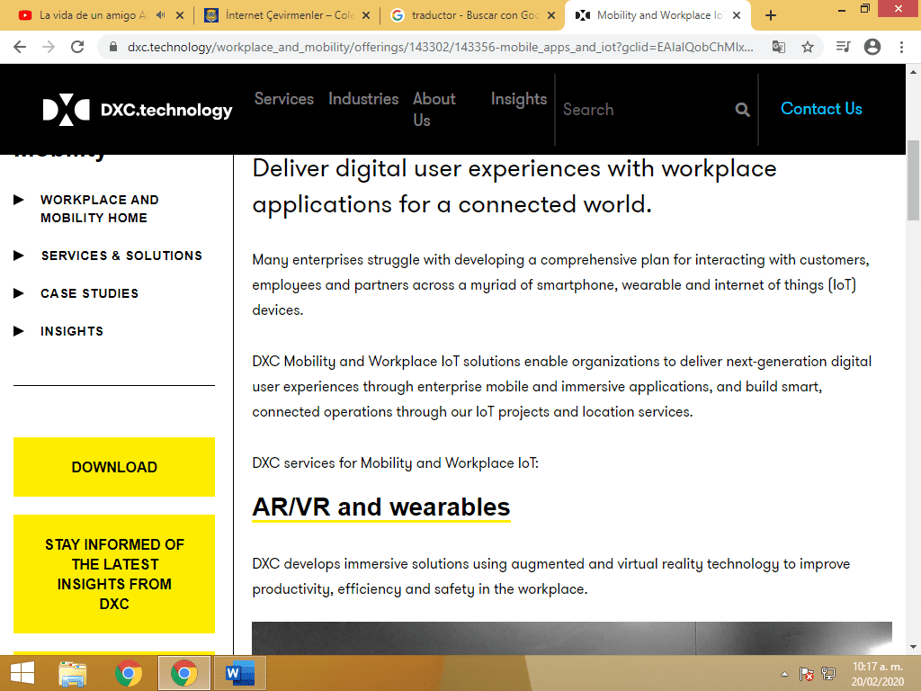
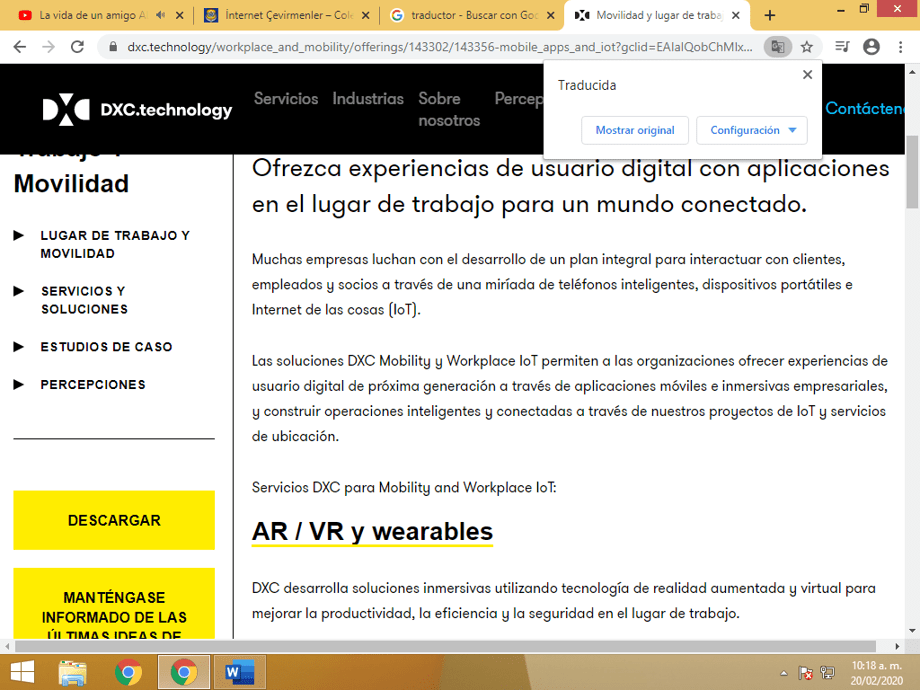
Traductor 2
La bioquímica es una rama de la ciencia que estudia la composición química de los seres vivos, especialmente las proteínas, carbohidratos, lípidos y ácidos nucleicos, además de otras pequeñas moléculas presentes en las células y las reacciones químicas que sufren estos compuestos (metabolismo) que les permiten obtener energía (catabolismo) y generar biomoléculas propias (anabolismo). La bioquímica se basa en el concepto de que todo ser vivo contiene carbono y en general las moléculas biológicas están compuestas principalmente de carbono, hidrógeno, oxígeno, nitrógeno, fósforo y azufre. Las ramas de la bioquímica son la bioquímica estructural, química bioorgánica, enzimología, bioquímica metabólica, xenobioquímica, inmunología, neuroquímica, quimiotaxonomía y ecología química. La bioquímica es la rama de la ciencia que explora los procesos químicos dentro y relacionados con los organismos vivos.
A bioquímica é um ramo da ciência que estuda a composição química dos seres vivos, especialmente proteínas, carboidratos, lipídios e ácidos nucléicos, além de outras pequenas moléculas presentes nas células e as reações químicas que esses compostos sofrem (metabolismo) que eles permitem obter energia (catabolismo) e gerar suas próprias biomoléculas (anabolismo). A bioquímica baseia-se no conceito de que todo ser vivo contém carbono e, em geral, as moléculas biológicas são compostas principalmente de carbono, hidrogênio, oxigênio, nitrogênio, fósforo e enxofre. Os ramos da bioquímica são bioquímica estrutural, química bio-orgânica, enzimologia, bioquímica metabólica, xenobiologia, imunologia, neuroquímica, quimiotaxonomia e ecologia química. A bioquímica é o ramo da ciência que explora os processos químicos dentro e relacionados aos organismos vivos.
Traductor 3
Die Berliner Mauer war während der Teilung Deutschlands ein Grenzbefestigungssystem der Deutschen Demokratischen Republik (DDR), das mehr als 28 Jahre, vom 13. August 1961 bis zum 9. November 1989, bestand, und die DDR von West-Berlin hermetisch abriegeln sollte. Sie trennte nicht nur die Verbindungen im Gebiet Groß-Berlins zwischen dem Ostteil („Hauptstadt der DDR“) und dem Westteil der Stadt, sondern umschloss völlig alle drei Sektoren des Westteils und unterbrach damit auch seine Verbindungen zum Berliner Umland, das im DDR-Bezirk Potsdam lag.
Von der Berliner Mauer ist die ehemalige innerdeutsche Grenze zwischen West- (alte Bundesrepublik) und Ostdeutschland (DDR) zu unterscheiden.
Die Berliner Mauer als letzte Aktion der Teilung der durch die Nachkriegsordnung der Alliierten entstandenen Viersektorenstadt Berlin war Bestandteil und zugleich markantes Symbol des Konflikts im Kalten Krieg zwischen den von den Vereinigten Staaten dominierten Westmächten und dem sogenannten Ostblock unter Führung der Sowjetunion. Sie wurde aufgrund eines Beschlusses der politischen Führung der Sowjetunion Anfang August 1961 und einer wenige Tage später ergehenden Weisung der DDR-Regierung errichtet. Die Berliner Mauer ergänzte die 1378 Kilometer lange innerdeutsche Grenze zwischen der DDR und der Bundesrepublik Deutschland, die bereits mehr als neun Jahre vorher „befestigt“ worden war, um den Flüchtlingsstrom zu stoppen.
During the division of Germany, the Berlin Wall was a border fortification system for the German Democratic Republic (GDR) that existed for more than 28 years, from August 13, 1961 to November 9, 1989, and was to hermetically seal the GDR from West Berlin. It not only separated the connections in the Greater Berlin area between the eastern part («capital of the GDR») and the western part of the city, but completely enclosed all three sectors of the western part, thereby also interrupting its connections to the surrounding area of Berlin, that in the GDR district Potsdam was.
The former inner German border between West (old Federal Republic) and East Germany (GDR) can be distinguished from the Berlin Wall.
The Berlin Wall, as the final action in the division of the four-sector city of Berlin created by the post-Allied regime, was part of and at the same time a striking symbol of the Cold War conflict between the Western powers, dominated by the United States, and the so-called Eastern Bloc, led by the Soviet Union. It was established on the basis of a decision by the political leadership of the Soviet Union in early August 1961 and an instruction from the GDR government issued a few days later. The Berlin Wall supplemented the 1378 km long inner German border between the GDR and the Federal Republic of Germany, which had been «fortified» more than nine years earlier to stop the flow of refugees.
Ventajas de ser un traductor autónomo
- Organizar tu propio horario de trabajo.
- Reducir costes de transporte, ropa, almuerzos, etc.
- Evitar los ladrones de tiempo.
Desventajas de ser un traductor autónomo
- La soledad.
- Los costes laborales.
- La multitarea.

 El blog de leo